Barrel-Jumping Beginnings: How Donkey Kong Climbed to the Top of Pop Culture
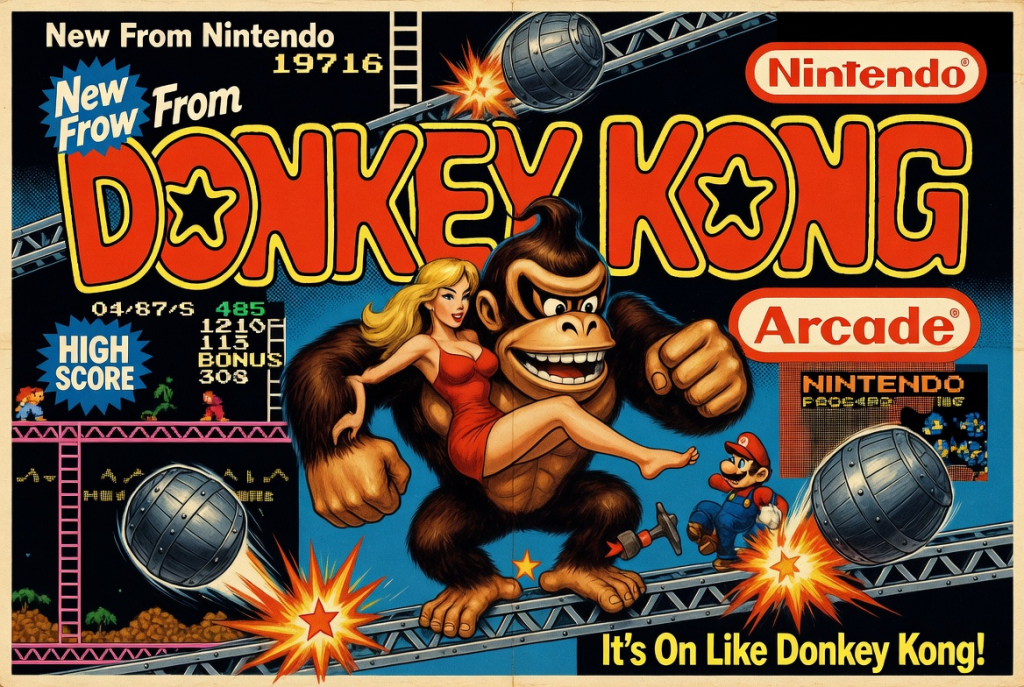
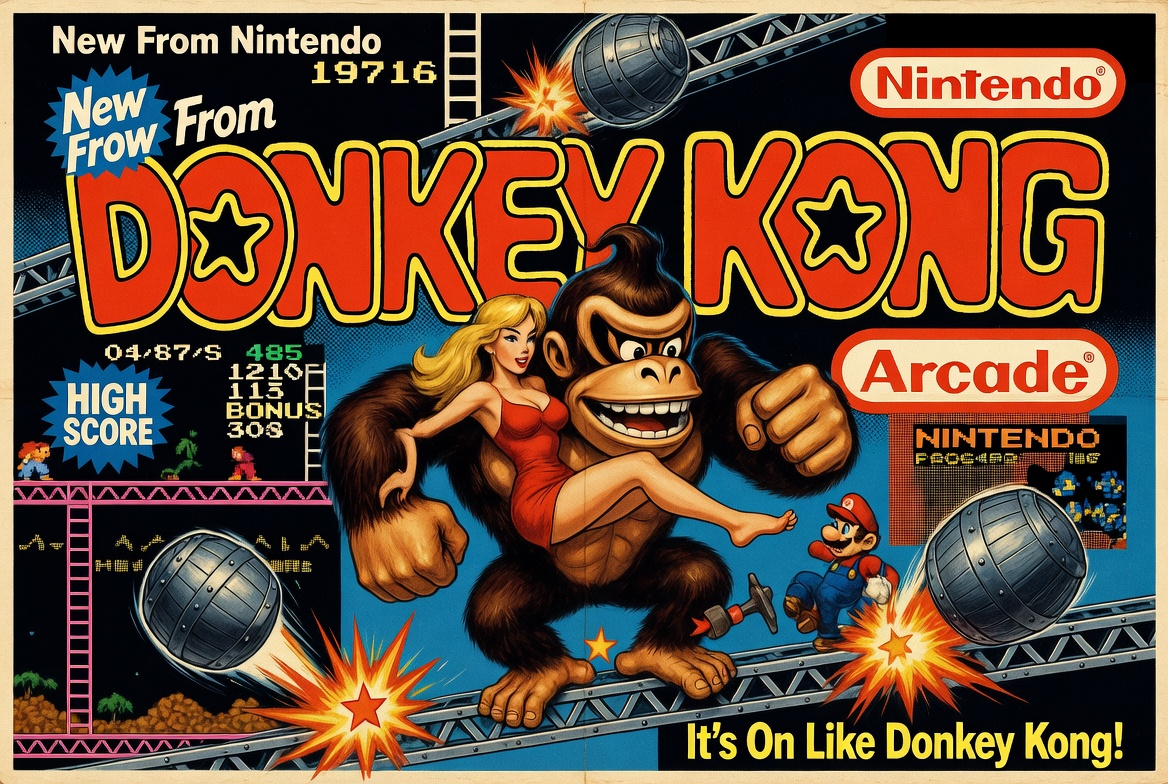
In the early 1980s, the video game industry was still finding its footing, experimenting with new ideas and characters that could capture the imagination of a rapidly growing audience. Enter Donkey Kong, a game that didn’t just succeed—it redefined what video games could be. Released in 1981 by Nintendo, Donkey Kong introduced players to a simple yet addictive concept: a determined hero climbing platforms, dodging obstacles, and rescuing a damsel in distress from a giant ape. But behind that straightforward premise lies one of the most fascinating origin stories in gaming history.
The creation of Donkey Kong was spearheaded by a young designer named Shigeru Miyamoto, who was tasked with turning around a struggling arcade division. Originally, Nintendo had planned to re-skin an unsold game with characters from the Popeye comic strip, but when licensing fell through, Miyamoto had to improvise. What he created instead was entirely original: a love triangle featuring a carpenter named Jumpman (who would later become Mario), a kidnapped woman, and a mischievous ape named Donkey Kong.
The gameplay was revolutionary for its time. Rather than focusing solely on shooting mechanics, Donkey Kong introduced narrative elements and distinct characters, effectively planting the seeds for storytelling in video games. Each level presented new challenges—rolling barrels, moving platforms, and fire hazards—that required timing, strategy, and quick reflexes. It wasn’t just a game; it was an experience.
As arcade cabinets spread across the globe, Donkey Kong became a cultural phenomenon. Its success helped establish Nintendo as a major player in the gaming industry and introduced Mario, who would go on to become one of the most recognizable characters in entertainment history. The game’s catchy music, colorful visuals, and memorable characters made it instantly iconic, and it wasn’t long before it transcended the arcade.
By the mid-1980s, Donkey Kong had leapt from screens into television. The character appeared in the animated series Saturday Supercade, where Donkey Kong was portrayed in a more comedic light, often escaping from captivity and causing chaos alongside Mario. This adaptation helped cement the franchise’s place in pop culture, bringing it to an even wider audience of kids and families.
Meanwhile, the video game series continued to evolve. Sequels like Donkey Kong Jr. and Donkey Kong 3 expanded on the original formula, while the 1990s saw a massive reinvention with Donkey Kong Country on the Super Nintendo. Featuring groundbreaking pre-rendered graphics and tight platforming gameplay, it introduced a new generation to the character and became a massive hit.
Today, Donkey Kong remains a beloved franchise with enduring appeal. From modern entries like Donkey Kong Country: Tropical Freeze to appearances in crossover titles like Super Smash Bros., the character continues to thrive. What began as a last-minute creative gamble has grown into a cornerstone of gaming history.
More than four decades later, Donkey Kong stands as a testament to innovation, creativity, and the power of a good idea executed well. Not bad for a game about jumping over barrels.